
Pelvic Health Physiotherapy
The foundation, and the part of the pathway almost everyone has. Assessment and rehabilitation of pelvic floor function, breathing, movement and load, with a programme built from what we find.
Read more →What would you like to improve?
More Reliable ErectionsErectile dysfunction and changes in erection quality Greater Control Over ClimaxPremature ejaculation Recovery After Prostate TreatmentBefore and after prostate surgeryWhere to start
Your First AppointmentWhat happens, and what it costs Fees & ACCWhat you'll pay and what's covered TreatmentsHow we assess before we recommend Understanding Your Pelvic FloorWhat it does, for men and women Most men do not need an internal examination →Not sure where to start?
Book a free 15-minute discovery call. No commitment, no examination, just a conversation.
Book a callWhat would you like to improve?
Regain Bladder ControlBladder leakage and urinary incontinence Feel Supported AgainPelvic organ prolapse Recover With ConfidencePregnancy, birth and postpartum recoveryWhere to start
Your First AppointmentWhat happens, and what it costs Fees & ACCIncluding ACC birth injury cover TreatmentsHow we assess before we recommend Understanding Your Pelvic FloorWhat it does, for men and women ACC may cover your birth injury →Not sure where to start?
Book a free 15-minute discovery call. No commitment, no examination, just a conversation.
Book a callAssessment
Pelvic Health PhysiotherapyThe foundation of everything we do Real-Time UltrasoundNon-invasive imaging. Most people avoid an internal examination MAPLe HD EMGDetailed pelvic floor muscle mappingRehabilitation
PelviPower Magnetic StimulationNon-invasive, seated, fully clothed PelviPower Biofeedback TrainerPerception, coordination, controlAdvanced options
Focused Shockwave TherapyFor erectile tissue and blood flow AcupunctureAs an adjunct within physiotherapy Vertica RadiofrequencyFor erectile tissue health Penile RehabilitationProtecting tissue and supporting recovery Nutrition & LifestyleSupporting factors that influence pelvic health"Technology supports clinical reasoning. It never replaces it."
We do not choose a treatment before we understand the problem.
How we assess →The practice
About CoreGoodWhy the practice exists, and where to find us Our PhilosophyWhy we assess before we recommend anythingHow we work
Objective AssessmentMeasuring pelvic floor function rather than assuming it Your Rehabilitation JourneyThe four stages, and what improvement is realisticThe clinician
Meet NathanMore than a decade in pelvic health, men and women Kāpiti Clinic2 Seaview Road, Paraparaumu Beach Palmerston North Clinic91 Milson Line, Palmerston North"Rather than asking what treatment we should use, we first ask what's limiting this person's function."
Nathan Scott, BPhty (Otago)
Meet Nathan →Assessment First. Then the Options That Fit.
Most people arrive at CoreGood having already been told what they need. Do your Kegels. Try this device. Consider surgery. Wait and see whether it settles.
We start somewhere else. Before anything is recommended, we work out what has actually changed and which system is limiting you. Two people with identical symptoms often need opposite approaches, and the only way to know which is which is to look.
Everything on this page is something we can offer. None of it means anything until we have assessed you.
An assessment at CoreGood is built to answer one question: what is limiting your function? Not which diagnosis fits, and not which piece of equipment we happen to own. We look at how your pelvic floor, breathing, posture, movement and daily habits work together, then we discuss what we found and what the options are.
That matters because a pelvic floor problem is rarely a pelvic floor problem on its own.
The pelvic floor is a group of muscles slung across the base of your pelvis. It works with your deep abdominal muscles, your back, your hips and your diaphragm. When something goes wrong, the muscles may be underactive and weak. They may equally be overactive and unable to let go. Both cause leaking. Both cause pain. Both cause changes to sexual function. They call for different work, and squeezing harder makes one of them worse.
Nathan Scott has been a physiotherapist since 1994 and has worked in pelvic health for more than a decade. Our practice is dedicated to pelvic health. That means we own the assessment equipment, we use it every day, and we know what its limits are.
Every person who comes to CoreGood goes through the same four steps, in the same order. What changes is what we find and what we recommend.
We start with a conversation. What you have noticed, when it began, what makes it better or worse, what you have already tried, and the health, surgical, obstetric and medication history that may be relevant. This is the longest part of a first appointment and it is not a form-filling exercise. It tells us where to look.
We then measure rather than guess. Depending on what you have described, that may include real-time ultrasound imaging of your pelvic floor and deep abdominal muscles, biofeedback that records muscle activation and control, assessment of your breathing and posture, and a musculoskeletal examination of your spine, hips and pelvis. Most of this happens with you fully clothed.
We tell you what we found, in plain language, and what we think it means. Then we discuss the options that fit. You will hear why one approach is being recommended and why another has been ruled out. If we do not think we are the right people to help, we will say so and tell you who might be.
Change in muscle function takes weeks, not days. We reassess as we go, using the same objective measures, so that progress is something we can show you rather than something we ask you to take on faith. Home programmes are adjusted as you go. If something is not working, we change it.
Usually not. Real-time ultrasound imaging and biofeedback let us assess how your pelvic floor contracts, relaxes and coordinates without an internal examination, and for most people that gives us the clinical picture we need. For biofeedback and abdominal ultrasound you stay in your clothes.
Some situations call for more detail than surface measures can give, and internal assessment or MAPLe HD EMG may then be recommended. If that happens, we explain exactly why, what it involves and what we expect to learn, and you decide. You can say no, you can change your mind partway through, and you can ask for a chaperone. None of that is unusual and none of it will be treated as difficult.
These are the options available at CoreGood, grouped by what they are for. Which of them, if any, suits you is decided after your assessment, not before it.
Assessment
The foundation, and the part of the pathway almost everyone has. Assessment and rehabilitation of pelvic floor function, breathing, movement and load, with a programme built from what we find.
Read more →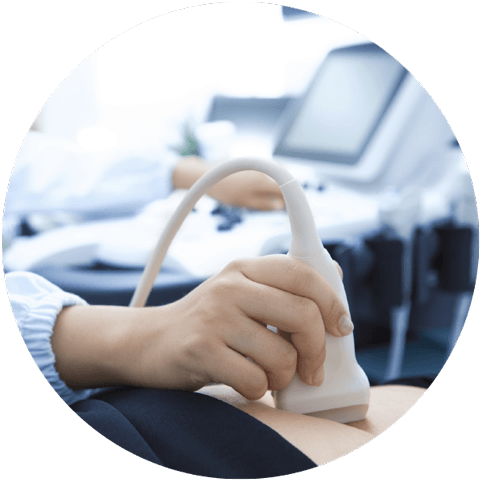
Imaging through the abdomen or perineum that lets you and us watch your pelvic floor working on a screen. This is the reason most people never need an internal examination here.
Read more →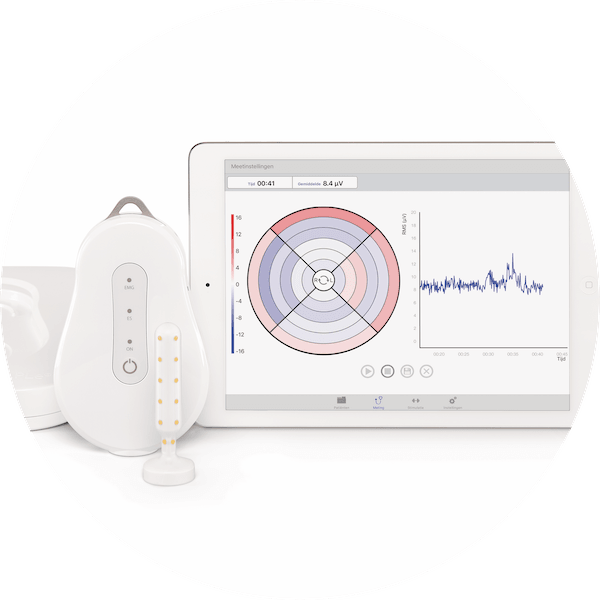
An internal probe that records electrical activity from individual pelvic floor muscles, left and right, at different depths. Used when simpler assessment has not explained the problem, and only with your consent.
Read more →Rehabilitation
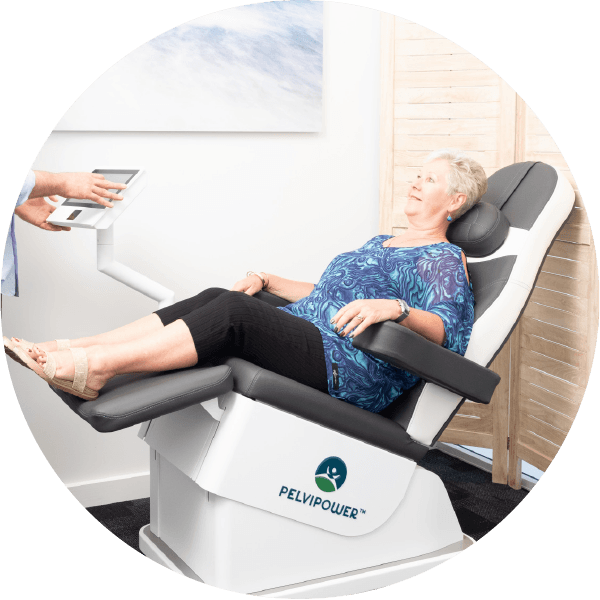
Repetitive magnetic impulses produce a pelvic floor contraction while you sit fully clothed. Nothing is inserted and you do not undress. It follows an assessment rather than replacing one.
Read more →Perception, coordination and control. Objective information about what your pelvic floor is actually doing, shown on a screen while you work.
Read more →Advanced options
Acoustic energy applied to erectile tissue, used within a wider pathway for men where vascular and tissue factors are part of the picture.
Read more →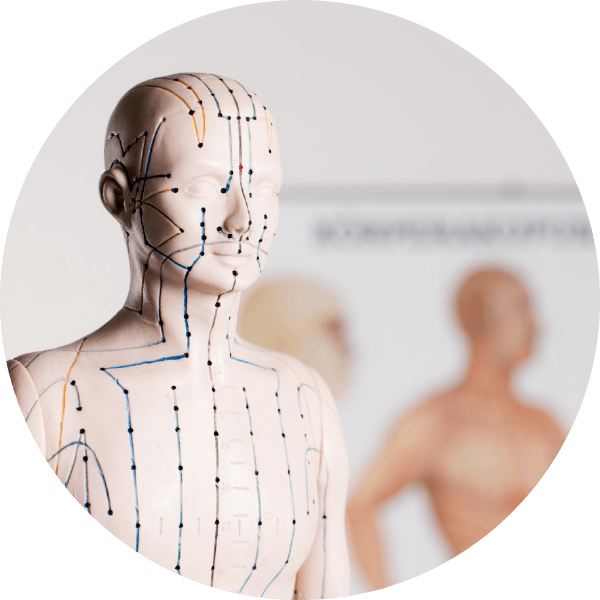
Used as an adjunct within physiotherapy, not as a standalone service, and only where it fits what the assessment found.
Read more →Bladder irritants, fluid, fibre, sleep, weight and activity. Supporting factors that influence pelvic health, discussed rather than prescribed.
Read more →Technology supports clinical reasoning. It never replaces it.