
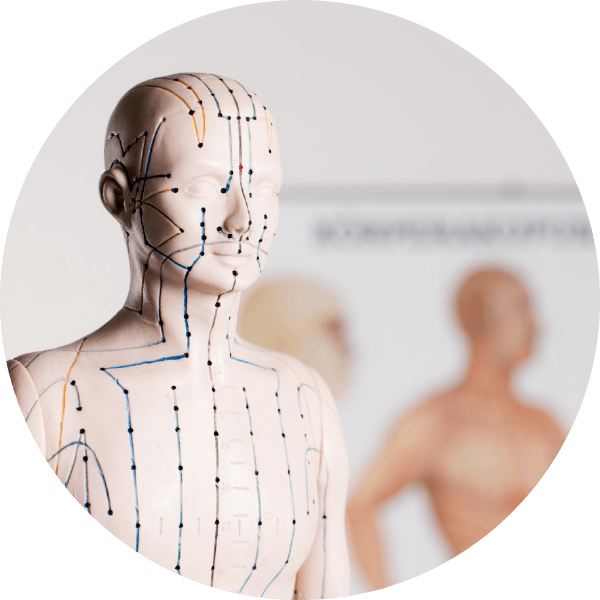
Help Reduce Pain. Restore Movement. Support Recovery.
Acupuncture as part of a personalised pelvic health rehabilitation programme.
Pain and muscle tension are often protective responses.
While they serve an important purpose initially, they can sometimes persist long after tissues have healed, making movement uncomfortable, increasing muscle guarding and slowing rehabilitation.
When assessment suggests pain or excessive muscle activity is becoming a barrier to recovery, acupuncture may help create a better environment for rehabilitation.
At CoreGood, acupuncture is never used in isolation.
It is combined with physiotherapy, movement retraining, education and other rehabilitation strategies to help restore healthier movement, reduce pain and improve function.
What Is Acupuncture?
Acupuncture involves inserting very fine, sterile, single-use needles into carefully selected areas of the body.
As physiotherapists, we use Western medical acupuncture, where needle placement is based on anatomy, pain science and current understanding of how the nervous system and musculoskeletal system function, rather than traditional Chinese medicine concepts.
Treatment is used to complement rehabilitation by helping reduce pain, improve movement and support recovery.
It isn’t intended to replace physiotherapy.
It helps create a better environment for physiotherapy to be effective.
How Can Acupuncture Support Recovery?
Acupuncture may support rehabilitation in several different ways.
Reduce Pain
Acupuncture stimulates the nervous system and encourages the release of naturally occurring chemicals involved in pain modulation.
Reducing pain often allows people to move more comfortably, participate more fully in rehabilitation and return to everyday activities with greater confidence.
Reduce Protective Muscle Guarding
Pain frequently causes muscles to become unnecessarily tense.
When appropriate, acupuncture may help reduce protective muscle guarding, making it easier to restore healthier movement patterns and improve pelvic floor function.
Support Nervous System Regulation
Persistent pain can sensitise the nervous system, making muscles more reactive and movement more uncomfortable.
Acupuncture may help calm this heightened sensitivity, improving comfort and supporting rehabilitation.
Improve Movement
Reducing pain is rarely the end goal.
The goal is to help you move more freely, exercise more comfortably and participate more effectively in the rehabilitation strategies that create lasting improvement.
When Might We Recommend Acupuncture?
Acupuncture may be incorporated into your rehabilitation programme when pain or muscle tension is limiting progress.
This may include:
Pelvic pain
Persistent pelvic floor muscle overactivity
Pain during sexual activity
Chronic prostatitis / chronic pelvic pain syndrome
Pregnancy-related pelvic girdle pain
Low back and pelvic girdle pain
Muscle and tendon injuries
Post-operative pain where appropriate
The decision is always based on your assessment rather than your diagnosis alone.
Where Acupuncture Fits Within Your Rehabilitation
Acupuncture is one tool within a broader rehabilitation programme.
Depending on your assessment, your programme may also include:
Hands-on physiotherapy
Pelvic floor rehabilitation
Real-time biofeedback
Real-time ultrasound assessment
MAPLe assessment and rehabilitation
PelviPower pelvic functional magnetic stimulation
Exercise therapy
Breathing and pressure management
Education and self-management strategies
Our role is to identify the combination of rehabilitation approaches most likely to help you achieve your goals.
What Does the Research Show?
Research supports acupuncture for a number of pain conditions, particularly when combined with an active rehabilitation programme rather than used in isolation. Evidence is strongest for several chronic pain conditions and continues to grow for selected pelvic pain presentations.
Current evidence is strongest for:
Chronic musculoskeletal pain
Low back pain
Neck pain
Some headache disorders
Growing evidence supports its use as part of multidisciplinary management for selected pelvic pain conditions, where reducing pain can help people participate more effectively in rehabilitation.
Is Acupuncture Right for Me?
You don’t need to know whether acupuncture is the right approach before reaching out.
That’s our job.
We’ll assess your symptoms, identify what’s limiting your recovery and determine whether acupuncture is likely to add meaningful value as part of your personalised rehabilitation programme.
If it’s appropriate, we’ll explain why.
If another approach is likely to produce a better outcome, we’ll recommend that instead.
Common Questions
Does acupuncture hurt?
Most people experience little more than a brief pinprick as the needle is inserted. Some notice a dull ache, warmth or tingling around the needle, while many feel very little at all.
Are the needles sterile?
Yes.
We use sterile, single-use needles and follow strict safety and infection-control procedures.
Can acupuncture be combined with physiotherapy?
Yes.
In fact, that’s how we most commonly use it.
Reducing pain often allows movement retraining, exercise and pelvic floor rehabilitation to be performed more comfortably and effectively.
How many treatments will I need?
This depends on your condition, symptoms and rehabilitation goals.
Some people benefit from only a few sessions, while others incorporate acupuncture into a broader rehabilitation programme over several weeks.
Is acupuncture covered by ACC?
Acupuncture may be covered when it forms part of the management of an ACC-covered injury, depending on your circumstances and funding arrangements.
Ready to Take the Next Step?
You don’t need to decide whether acupuncture is the right treatment before asking for help.
That’s our job.
Your first appointment is about understanding your symptoms, identifying the barriers slowing your recovery and determining whether acupuncture has a meaningful role within your personalised rehabilitation programme.
If it’s the right tool, we’ll explain why.
If another approach is likely to produce a better outcome, we’ll recommend that instead.
Take the First Step
You don't need to know exactly what's wrong before asking for help. If you would rather ask before you book, start with a free 15-minute discovery call. It is a phone conversation, not a sales call, and there is no obligation to book anything afterwards.